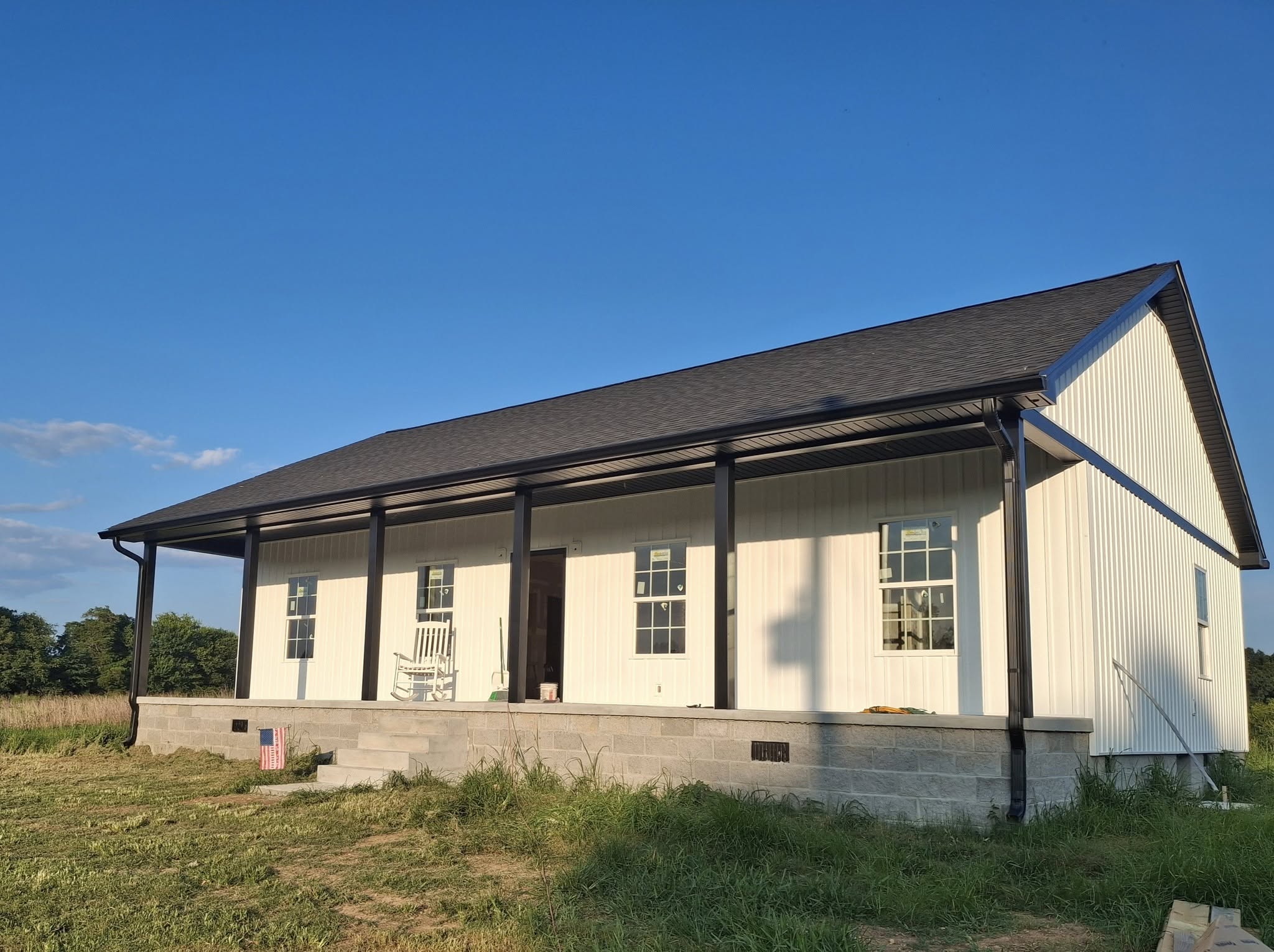
Seamless Transitions: Creating Indoor-Outdoor Living Spaces in New Constructions Jan 18, 2026
Creating a seamless transition between indoor and outdoor spaces requires careful planning during the initial design phase. When done correctly, it can dramatically increase both the usability and value of a home. During construction, key architectural elements are incorporated to blur the lines between the indoor coziness and outdoor splendor. One effective strategy is using large glass doors that can slide or fold away, opening up walls completely to an outdoor space.
Material selection is another consideration for achieving a unified look. Choosing flooring materials that can be used both indoors and outdoors helps establish a visual connection between the two spaces. Options like stone, tile, or treated wood offer durable solutions that withstand weather while matching interior trends. Consistent color palettes further unify these spaces, offering a seamless aesthetic that is pleasing to the eye.
To truly enhance an indoor-outdoor living experience, homeowners should also consider the use of plants and greenery. Integrating natural elements on both sides of the threshold creates a more cohesive and eco-friendly environment. By using similar plant species, or even the same ones, in and out can maintain the home’s aesthetic continuity. Adding vertical gardens or potted plans near the transition point can soften the boundaries, inviting the exterior to influence the interior.
Lighting design plays a critical role in creating a seamless indoor-outdoor transition. Smart, layered lighting solutions can be used to create ambiance and functionality. Indoor spaces benefit from the warm glow of strategically placed pendants and recessed lights, while outdoor spaces can come alive with well-positioned landscape lighting or decorative string lights. Incorporating dimmable options allows for light levels to be adjusted according to time of day or event, ensuring a unified atmosphere.
Furniture selection also contributes significantly to the connection between indoors and outdoors. Opt for versatile pieces that can comfortably exist in either space. Weather-resistant materials allow for style and comfort without compromising practicality. Consider coordinating color and style between your indoor and outdoor furniture to maintain visual continuity. This not only makes for a cleaner design but also for more adaptable spaces for entertaining or relaxation.
In conclusion, the transition from indoor to outdoor living space isn't just a trendy design statement—it's a celebration of nature and architecture's harmonious intersection. It redefines the living experience, offering fresh opportunities for leisure and interaction within the home. By integrating practical elements like sliding glass doors, consistent materials, cohesive plant design, strategic lighting, and versatile furniture, Team Construction & Renovations can help transform your new construction into a masterpiece of modern living.
A well-planned indoor-outdoor space boosts a home's appeal, functionality, and market value. Leveraging this strategic design approach proves that with the right planning and execution, boundaries can be beautifully obliterated, offering a genuine extension of home comforts to the allure of the natural environment—a seamless transition made possible through thoughtful, innovative construction and renovation practices.
/filters:no_upscale()/filters:format(webp)/media/0315484c-9086-4c20-868b-b52caf95565e.jpeg)
/filters:no_upscale()/filters:format(webp)/media/85e42f81-97a1-4cd6-ade7-86e9515ff35d.jpeg)